Philippines
Under Spanish colonial rule, the Philippine authorities banned Noli Me Tángere and other works by José Rizal as subversive to the colonial order and the Catholic Church. After independence, successive governments periodically restricted publications deemed a threat to national security, particularly during the Marcos dictatorship (1972–1986), when martial law enabled broad censorship powers. The Philippines today has a constitutionally protected free press, though journalists and authors continue to face pressure in practice.
Banned books
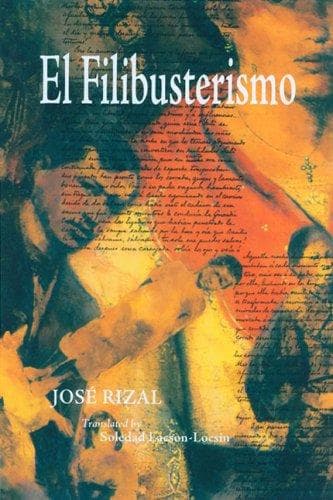
El Filibusterismo
José Rizal
Government / national · 1891 · lifted
In Our Image: America's Empire in the Philippines
Stanley Karnow
Government / national · 1972 · lifted
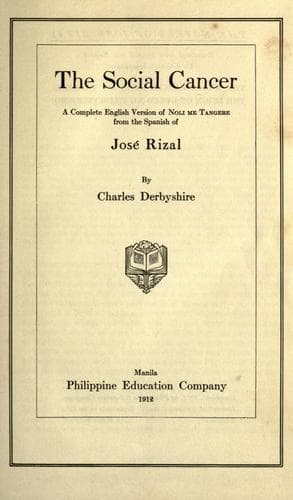
Noli Me Tángere
José Rizal
The book revolves on the struggles of young Crisostomo Ibarra: how he humbly fights for his childhood sweetheart Maria Clara, for himself and for his fellowmen against the Spanish priest Padre Damaso and the Spanish Government who were then conquerors of San Diego, his native hometown. Coming home to San Diego from Spain to mourn for his father's death, he learned how his father, a rich illustrado, suffered prior to his death. However, he was surprised by the facts how his father had been treat
Government / national · 1887 · lifted
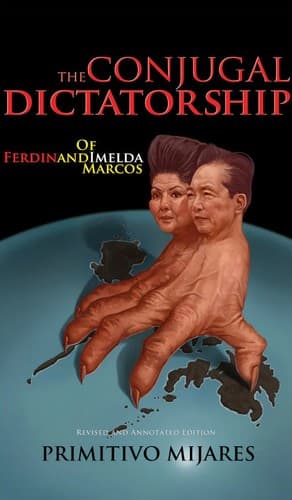
The Conjugal Dictatorship of Ferdinand and Imelda Marcos
Primitivo Mijares
Government / national · 1976 · lifted
The Subversive
Nick Joaquin
Government / national · 1972 · lifted
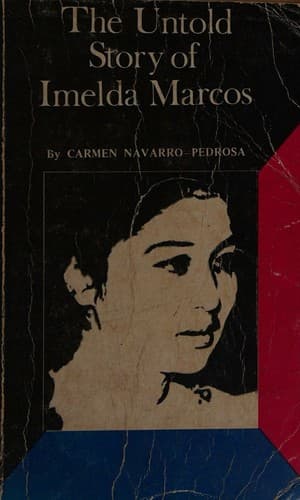
The Untold Story of Imelda Marcos
Carmen Navarro Pedrosa
Government / national · 1972 · lifted