Iran
Iran has maintained strict state censorship of books since the Islamic Revolution of 1979, with the Ministry of Culture and Islamic Guidance required to approve all publications. Works deemed contrary to Islamic values, critical of the government, or sexually explicit are routinely banned. The 1989 fatwa issued by Ayatollah Khomeini against Salman Rushdie for The Satanic Verses became one of the most widely reported acts of literary censorship in modern history, forcing Rushdie into hiding for nearly a decade.
Banned books
23 Years: A Study of the Prophetic Career of Mohammad
Ali Dashti
Government / national · 1979
Haji Agha
Sadegh Hedayat
Government / national · 1979
Lajja
Taslima Nasrin
Government / national · 1994
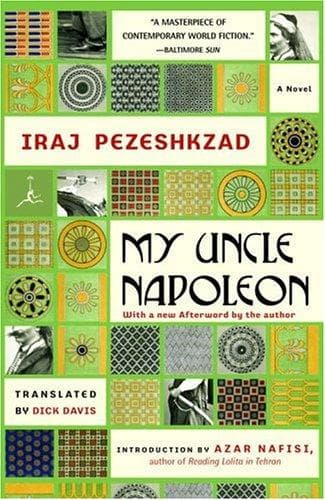
My Uncle Napoleon
Iraj Pezeshkzad
Government / national · 1979
On Islam
Ahmad Kasravi
Government / national · 1979
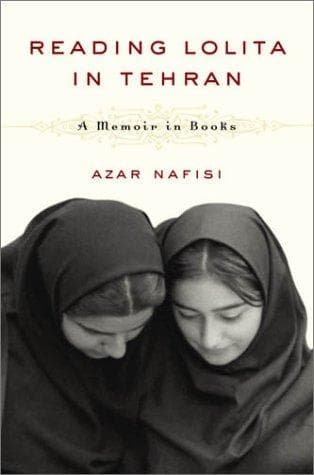
Reading Lolita in Tehran
Azar Nafisi
Government / national · 2003
Reborn
Forough Farrokhzad
Government / national · 1979
Satan's Stones
Moniru Ravanipur
Government / national · 1990
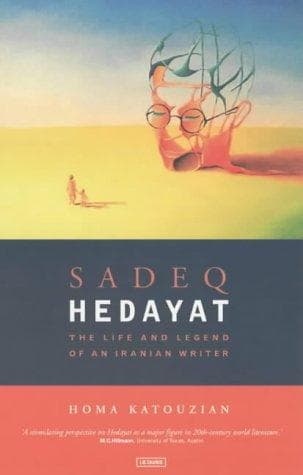
The Blind Owl
Sadeq Hedayat
Government / national · 1979
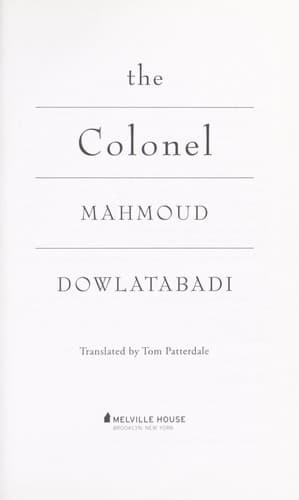
The Colonel
Mahmoud Dowlatabadi
Government / national · 1983
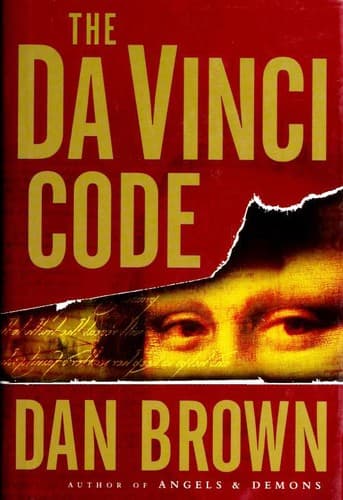
The Da Vinci Code
Dan Brown
The Da Vinci Code is a 2003 mystery thriller novel by Dan Brown. It is Brown's second novel to include the character Robert Langdon: the first was his 2000 novel Angels & Demons. The Da Vinci Code follows "symbologist" Robert Langdon and cryptologist Sophie Neveu after a murder in the Louvre Museum in Paris causes them to become involved in a battle between the Priory of Sion and Opus Dei over the possibility of Jesus Christ and Mary Magdalene having had a child together. ---------- See al
Government / national · 2004
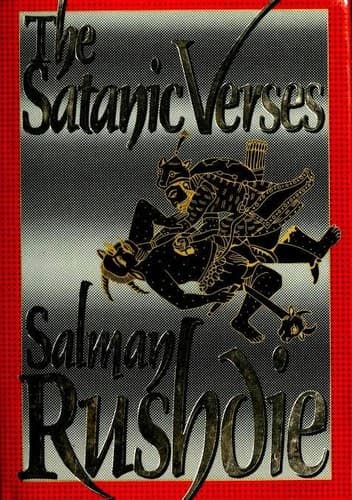
The Satanic Verses
Salman Rushdie
The Satanic Verses is Salman Rushdie's fourth novel, first published September 26, 1988 and inspired in part by the life of the Islamic prophet Muhammad. As with his previous books, Rushdie used magical realism and relied on contemporary events and people to create his characters. The title refers to the satanic verses, a group of Quranic verses that refer to three pagan Meccan goddesses: Allāt, Uzza, and Manāt. The part of the story that deals with the "satanic verses" was based on accounts fro
School · 1988
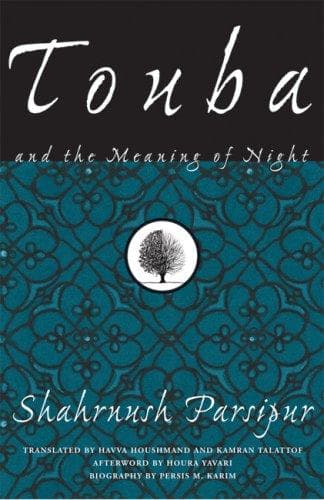
Touba and the Meaning of Night
Shahrnush Parsipur
Government / national · 1992
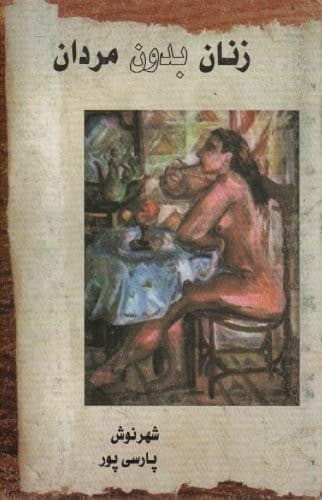
Women Without Men
Shahrnush Parsipur
Government / national · 1992