India
Banned books
A Passage to India
E. M. Forster
Government / national · 1980 · lifted
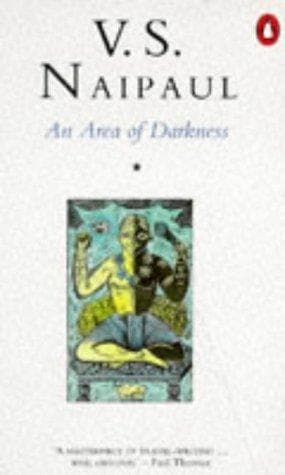
An Area of Darkness
V. S. Naipaul
This is V.S. Naipaul's record of his sojourn to India, the land of his fathers. Throughout the book, Naipaul's intense perceptions sweep the reader into the turmoil and fabulous richness of the length and breadth of India.
Government / national · 1964 · lifted
Angarey
Sajjad Zaheer
Government / national · 1933 · lifted
Dwikhandita
Taslima Nasrin
Government / national · 2003
Hind Swaraj
Mahatma Gandhi
Government / national · 1910 · lifted
Jinnah: India, Partition, Independence
Jaswant Singh
Government / national · 2009 · lifted
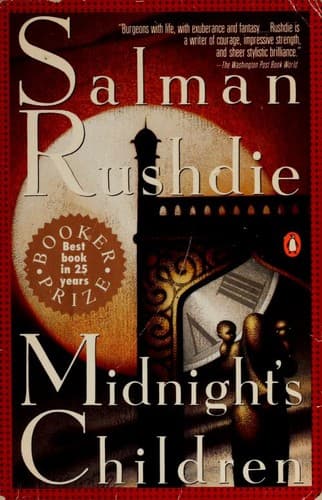
Midnight's Children
Salman Rushdie
Midnight's Children is a 1981 novel by author Salman Rushdie. It portrays India's transition from British colonial rule to independence and the partition of India. It is considered an example of postcolonial, postmodern, and magical realist literature. The story is told by its chief protagonist, Saleem Sinai, and is set in the context of actual historical events. The style of preserving history with fictional accounts is self-reflexive. Midnight's Children won both the Booker Prize and the Ja
Government / national · 1988 · lifted
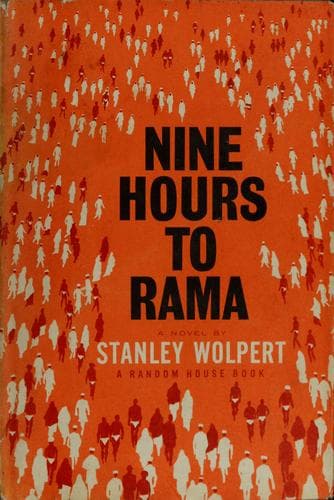
Nine Hours to Rama
Stanley Wolpert
Government / national · 1962 · lifted
Rama Retold
Aubrey Menen
Government / national · 1955 · lifted
Rangila Rasul
M.A. Chamupati
Government / national · 1924 · lifted
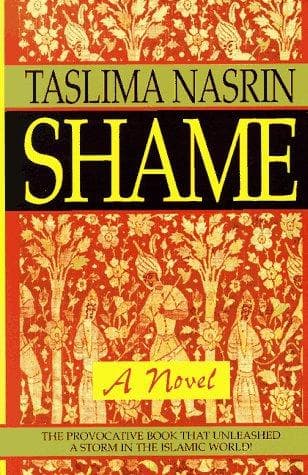
Shame
Taslima Nasrin
The animosity and bloodletting between Muslim and Hindu extremists on the Indian subcontinent are centuries old. But when the 450-year-old Babri mosque in Ayodhya (southeast of Delhi) was destroyed by Hindu fundamentalists in 1992, it let loose a worldwide wave of Muslim reprisals against all Hindus - a reign of terror that extended even to Bangladesh's small Hindu community. These incidents form the background to Taslima Nasrin's explosive and courageous novel, Shame (Lajja in Bengali), descri
Government / national · 1993 · lifted
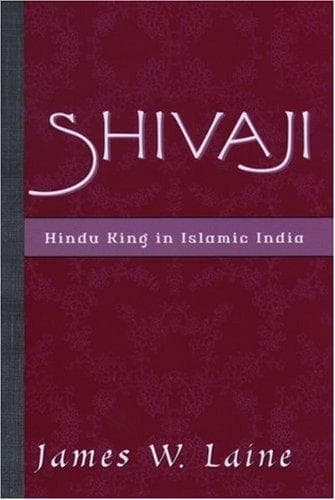
Shivaji: Hindu King in Islamic India
James Laine
Government / national · 2004 · lifted
Shivaji: Hindu King in Islamic India
James Laine
"Shivaji is a well-known hero in western India. He defied Mughal power in the seventeenth century, established an independent kingdom, and had himself crowned in an orthodox Hindu ceremony. The legends of his life have become an epic story that everyone in western India knows, and an important part of the Hindu nationalists' ideology. To read Shivaji's legend today is to find expression of deeply held convictions about what Hinduism means and how it is opposed to Islam.". "James Laine traces th
Government / national · 2004 · lifted
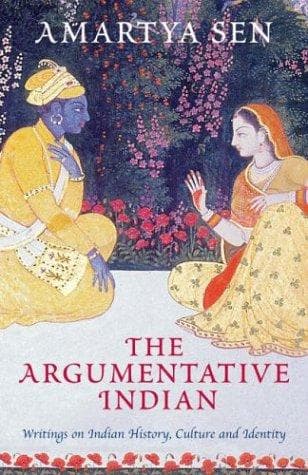
The Argumentative Indian
Amartya Sen
Government / national · 2005 · lifted
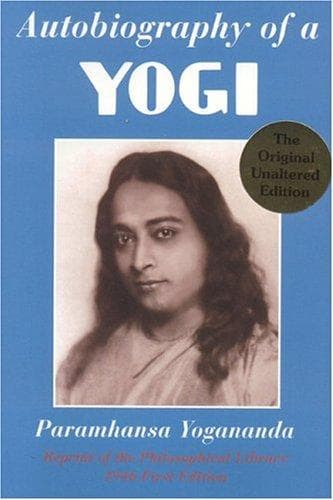
The Autobiography of a Yogi
Paramahansa Yogananda
Government / national · 1966 · lifted
The God of Small Things
Arundhati Roy
Government / national · 1997 · lifted
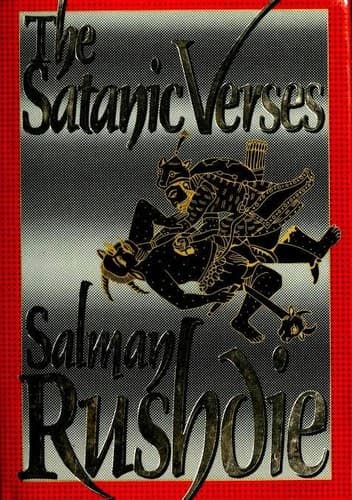
The Satanic Verses
Salman Rushdie
The Satanic Verses is Salman Rushdie's fourth novel, first published September 26, 1988 and inspired in part by the life of the Islamic prophet Muhammad. As with his previous books, Rushdie used magical realism and relied on contemporary events and people to create his characters. The title refers to the satanic verses, a group of Quranic verses that refer to three pagan Meccan goddesses: Allāt, Uzza, and Manāt. The part of the story that deals with the "satanic verses" was based on accounts fro
Government / national · 1988