France
France prosecuted authors for obscenity and blasphemy throughout the 19th century, with high-profile trials against Flaubert (Madame Bovary) and Baudelaire (Les Fleurs du Mal) among the most famous. The principle of liberté d'expression is deeply embedded in French law and culture, and outright book bans became increasingly rare through the 20th century. France today is generally considered to have strong literary freedom, though some works have been banned on grounds of defamation or incitement.
Banned books

Emile, or On Education
Jean-Jacques Rousseau
Government / national · 1762 · lifted
Justine
Marquis de Sade
Government / national · 1791 · lifted
Justine, or the Misfortunes of Virtue
Marquis de Sade
Government / national · 1801 · lifted
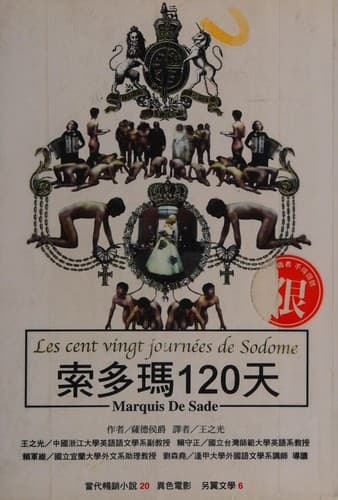
Les 120 Journées de Sodome
Marquis de Sade
Government / national · 1904 · lifted

Les Fleurs du Mal
Charles Baudelaire
Government / national · 1857 · lifted
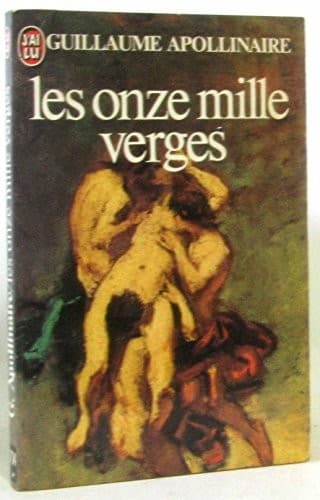
Les Onze Mille Verges
Guillaume Apollinaire
Government / national · 1907 · lifted
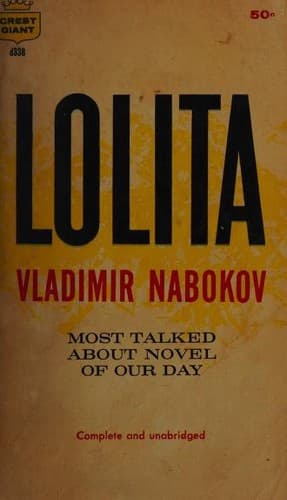
Lolita
Vladimir Nabokov
Lolita is a 1955 novel written by Russian-American novelist Vladimir Nabokov. The novel is notable for its controversial subject: the protagonist and unreliable narrator, a middle-aged literature professor under the pseudonym Humbert Humbert, is obsessed with a 12-year-old girl, Dolores Haze, whom he sexually molests after he becomes her stepfather. "Lolita" is his private nickname for Dolores. The novel was originally written in English and first published in Paris in 1955 by Olympia Press. Lat
Government / national · 1956 · lifted
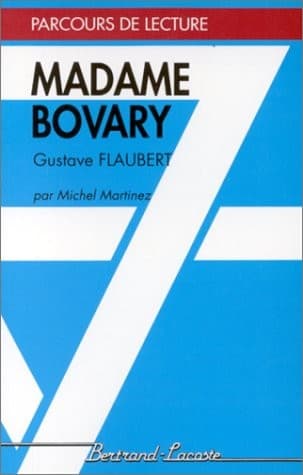
Madame Bovary
Gustave Flaubert
Government / national · 1857 · lifted
Napoléon le Petit
Victor Hugo
Government / national · 1852 · lifted

Story of O
Pauline Réage
Government / national · 1955 · lifted
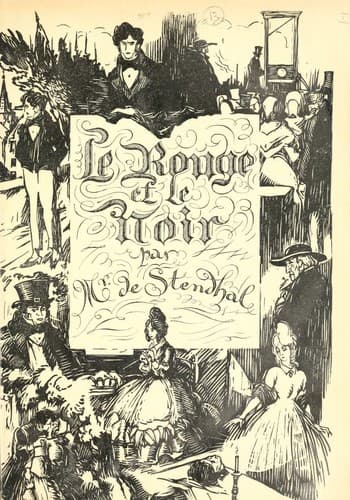
The Red and the Black
Stendhal
Government / national · 1830 · lifted
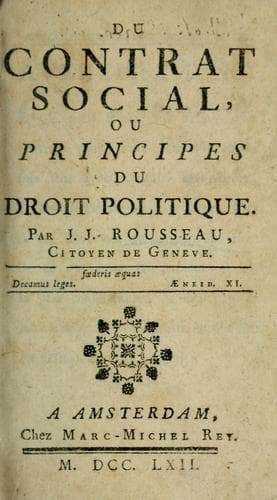
The Social Contract
Jean-Jacques Rousseau
Government / national · 1762 · lifted
The Story of O
Pauline Réage
Government / national · 1955 · lifted